
Skip to content
"Let's Build, Friends, Build"—Read the letter from John Doerr
main Logo
alt mobile main Logo
  • How are we doing?
    • 2026 Tracker
    • Letter from John Doerr
  • What can I do?
    • Action Guide
    • Newsletter
    • Resources
  • WHAT’S THE FUTURE?
    • Climate Tech Map
Menu
  • Home
  • How are we doing?
    • 2026 Tracker
    • Letter from John Doerr
  • What can I do?
    • Action Guide
    • Newsletter
    • Resources
  • WHAT’S THE FUTURE?
    • Climate Tech Map
← Tracker
Share:

3.0 Fix Food

Reduce 8 gigatons of agricultural emissions to 4 gigatons by 2050.

The world needs to feed 8 billion people today and close to 10 billion in 2050. The challenge is to boost agricultural yield and produce many more calories while cutting four of the eight gigatons of emissions generated each year by the food system. To date, we’ve yet to see progress on the emissions front.

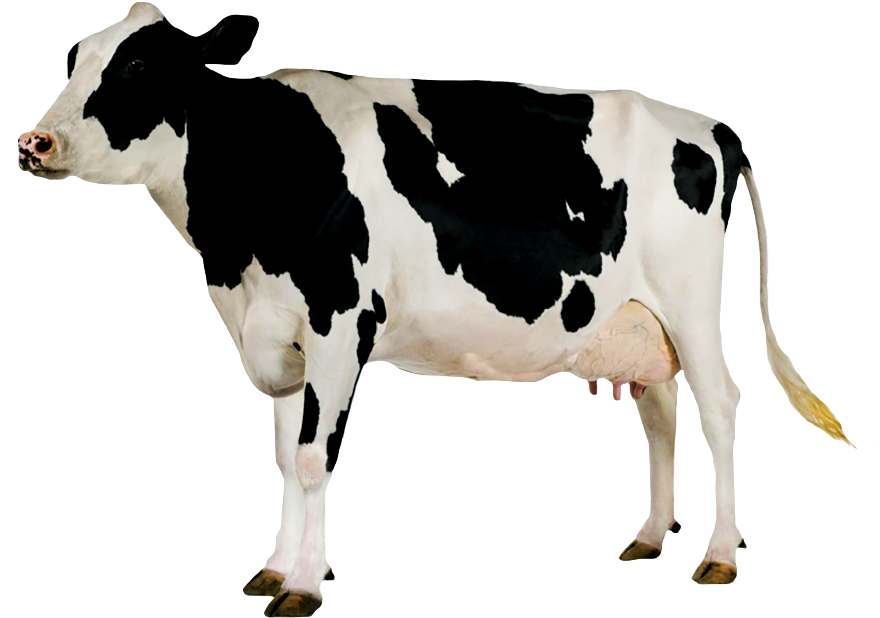
Livestock causes more than half of this climate problem; it boils down to burping and manure. With fake meat generally failing to change consumption habits, the push to decarbonize now falls on new technologies and better farm management. For enteric emissions, the gas expelled by cattle and other ruminant animals, we have no one silver bullet; we don’t yet know which innovations will scale and win. Among the top candidates are feed additives (including seaweed), gene-altered breeding, and vaccines. 

Meanwhile, manure and fertilizers generate three quarters of all human-caused emissions of nitrous oxide, a greenhouse gas with 270 times more short-term warming intensity than CO2. Manure management hinges on better farming practices. The task is to repurpose more waste into fertilizer while reducing polluting runoffs. 

From farm to fridge to landfill, the world wastes more than a billion meals per day. To make saving food cheaper than wasting it, we need smarter harvesting, improved preservation technologies, and circular systems that turn waste into value.

Last update:
April 20, 2026

Key Results

3.1
Farming
Use cleaner alternatives and practices to cut emissions by 25% by 2035, 50% by 2050
2.9
Gigatons
2025 Current
2.2
Gigatons
2035 Target
1.6
Gigatons
2050 Target
Status
Code Red
Source: Climate TRACE
3.2
Meat
Cut emissions from livestock by 15% by 2035, 50% by 2050
4.4
Gigatons
2025 Current
4.0
Gigatons
2035 Target
2.6
Gigatons
2050 Target
Status
Code Red
Source: Climate TRACE
3.3
Food Waste
Cut food waste to 30% by 2035, 10% by 2050
1.1
Gigatons
2025 Current
0.4
Gigatons
2035 Target
0.2
Gigatons
2050 Target
Status
Failing
Source: Climate TRACE
News for Fix Food
Opinion March 14, 2026

California is ‘nowhere near’ emissions goals. It’s still sending organic waste to landfills

3.5
Food Waste ↓ 1 Gt
→
News March 14, 2026

Why Patagonia Had to Swap Out Its Cult-Hit Tinned Mackerel

3.0
Fix Food
→
Article March 14, 2026

Should I Refrigerate Apples? An A-to-Z Guide to Storing Fruits and Vegetables

3.5
Food Waste ↓ 1 Gt
→
Research March 14, 2026

People waste nearly a pound of food daily

3.5
Food Waste ↓ 1 Gt
→
News March 1, 2026

What Happens When We Throw Away Food

3.5
Food Waste ↓ 1 Gt
→
News March 1, 2026

The Rise of the All-Electric Luxury Kitchen

3.0
Fix Food
→
See More

Explore More Objectives

1.0
Electrify Transportation
→
Reduce 9 gigatons of transportation emissions to 2 gigatons by 2050.
2.0
Decarbonize the Grid
→
Reduce 28 gigatons of global electricity and heating emissions to 1 gigatons by 2050.
3.0
Fix Food
→
Reduce 8 gigatons of agricultural emissions to 4 gigatons by 2050.
4.0
Protect Nature
→
Go from 13 gigatons of emissions to 3 gigatons by 2050.
5.0
Clean Up Industry
→
Reduce 13 gigatons of industrial emissions to 4 gigatons by 2050.
6.0
Remove Carbon
→
Remove 14 gigatons of carbon dioxide per year from the atmosphere.
7.0
Win Politics and Policy
→
8.0
Turn Movements into Action
→
9.0
Innovate!
→
10.0
Invest!
→

Zeroing In:

Cut through the noise with a data-driven update on the latest progress toward net zero—delivered straight to your inbox.

    Speed and Scale Newsletter    
Thank you for subscribing!
Footer Logo
  • How are we doing?
    • 2026 Tracker
    • Letter from John Doerr
  • What can I do?
    • Action Guide
    • Newsletter
    • Resources
  • WHAT’S THE FUTURE?
    • Climate Tech Map
  • About
© 2026 Speed & Scale
  • Press
  • Terms of Service
  • Privacy Policy
© 2026 Speed & Scale

We’re always looking for the most up-to-date developments on climate—have some relevant news or data you’d like to share? Contact us at: act@speedandscale.com

  • About
  • Press
  • Terms of Service
  • Privacy Policy