

The world needs to feed 8 billion people today and close to 10 billion in 2050. The challenge is to boost agricultural yield and produce many more calories while cutting four of the eight gigatons of emissions generated each year by the food system. To date, we’ve yet to see progress on the emissions front.
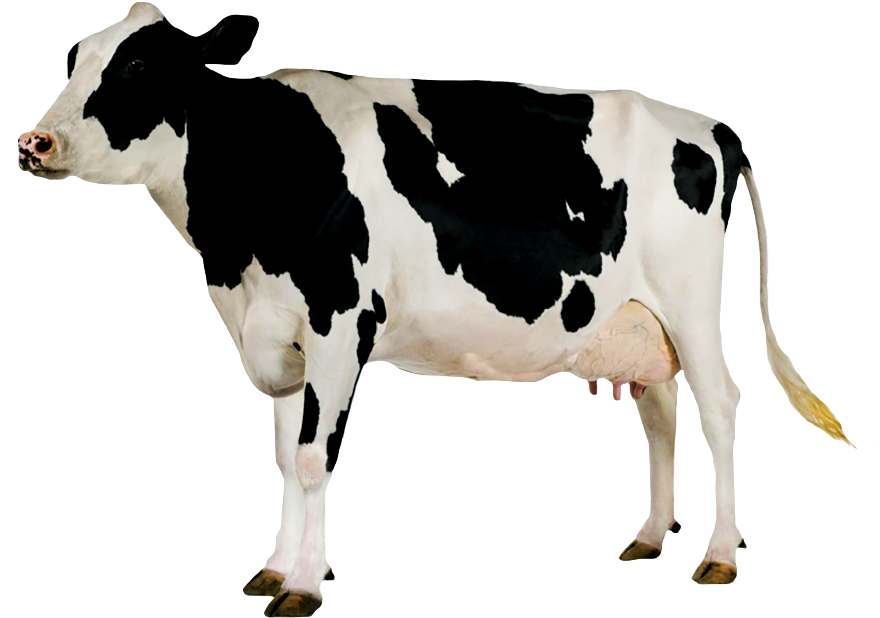
Livestock causes more than half of this climate problem; it boils down to burping and manure. With fake meat generally failing to change consumption habits, the push to decarbonize now falls on new technologies and better farm management. For enteric emissions, the gas expelled by cattle and other ruminant animals, we have no one silver bullet; we don’t yet know which innovations will scale and win. Among the top candidates are feed additives (including seaweed), gene-altered breeding, and vaccines.
Meanwhile, manure and fertilizers generate three quarters of all human-caused emissions of nitrous oxide, a greenhouse gas with 270 times more short-term warming intensity than CO2. Manure management hinges on better farming practices. The task is to repurpose more waste into fertilizer while reducing polluting runoffs.
From farm to fridge to landfill, the world wastes more than a billion meals per day. To make saving food cheaper than wasting it, we need smarter harvesting, improved preservation technologies, and circular systems that turn waste into value.